Mazda CX-5 2013-2016 Key Replacement: Which Key Does Yours Take? — Keller TX
The first-generation Mazda CX-5 shipped with two completely different key systems across the same model years. A Keller TX locksmith explains how to tell which one you have, why it changes the price, and what a replacement costs in 2026.
Mazda CX-5 2013-2016 Key Replacement: Which Key Does Yours Take? — Keller TX
Almost every wrong quote we hear about on a first-generation CX-5 comes from the same mistake. Someone gives a shop the year, the shop quotes a price, and the price is for the other key system — because Mazda sold two genuinely different setups under the same model name in the same model years. This post shows you how to identify yours in about ten seconds, and what each one actually costs. Call or text (817) 968-3866.
Quick Answer
The 2013 to 2016 Mazda CX-5 came in two key configurations depending on trim. Lower trims use a bladed flip key with a transponder chip, replaced for roughly $150 to $320 with a working key present. Higher trims with Advanced Keyless Entry use a proximity smart key and a push-button start, replaced for roughly $200 to $450. Look at your dashboard: a physical key slot means the flip key, a start button means the smart key. All-keys-lost jobs on either system run higher and take longer.
How to Tell Which One You Have
Three checks, none of which require any tools.
Check the ignition. If there is a slot you insert a key into and turn, you have the transponder flip-key system. If there is a round push-button labeled START or ENGINE START STOP, you have Advanced Keyless Entry with a proximity smart key.
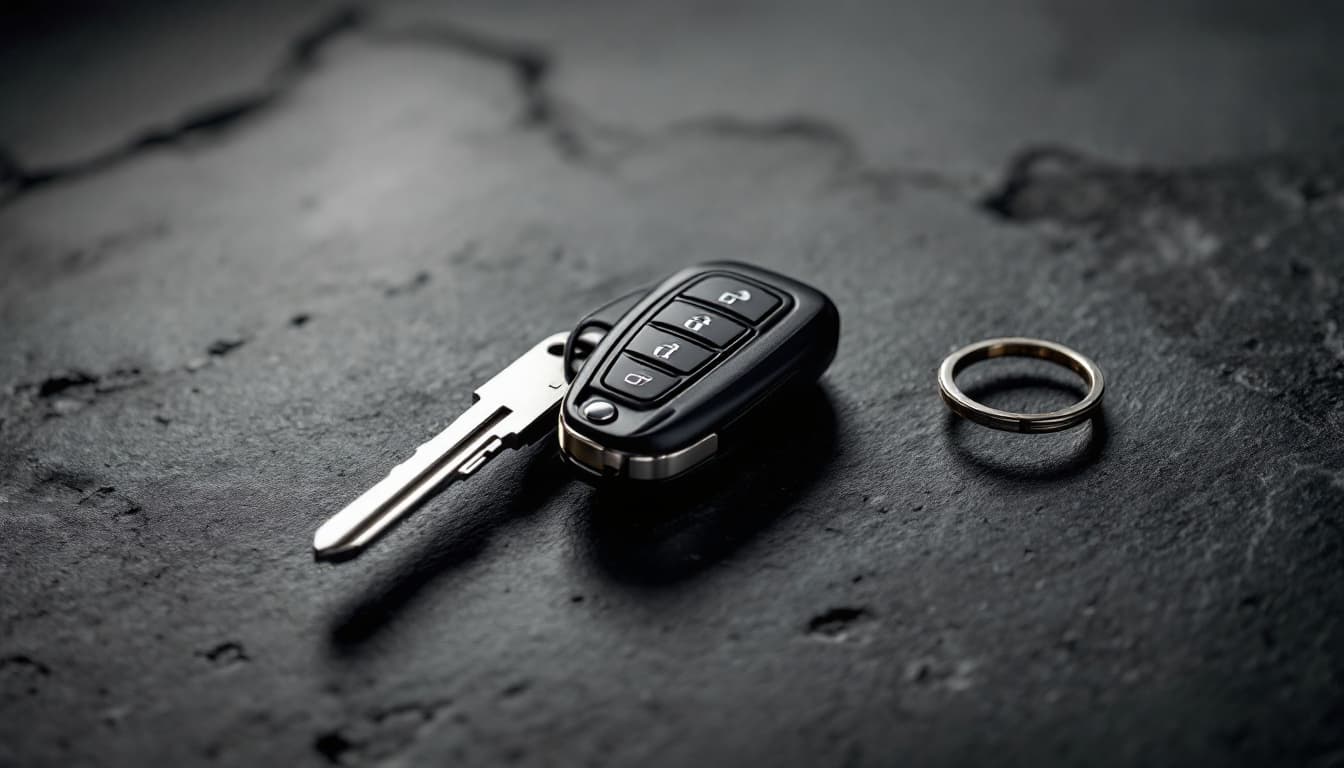
Check the key itself. The flip key has a metal blade that folds into the body, like a switchblade, with lock and unlock buttons on the housing. The smart key is a rounded fob with no visible blade and typically lock, unlock and hatch buttons — though it does hide a small emergency blade that slides out for use in the driver's door.
Check the door handles. Advanced Keyless Entry trims have a small raised button or a touch-sensitive area on the driver's front door handle that unlocks the car when the fob is in your pocket. If your handles are plain, you have the flip key.
The reason this matters commercially: those are different blanks, different programming procedures and different price bands. A quote given without this information is a guess, and it is usually the low guess, which is how people end up surprised in their own driveway.
Pricing
Ranges only, as of August 2026. Trim and the exact fob part number set the final figure, which we confirm against your VIN.
| CX-5 key situation | Typical range |
|---|---|
| Flip key with transponder, working key present | $150–$320 |
| Proximity smart key, working key present | $200–$450 |
| Flip key, all keys lost | $120–$250 |
| Proximity smart key, all keys lost | $250–$500+ |
| Emergency blade cut only | $85–$165 |
| Second key added at the same visit | $40–$90 programming |
| Immobilizer diagnosis | $60–$150 |
Note the second-key row again. On either system, adding a key while the technician is already at your car is dramatically cheaper than any standalone visit, because the drive time and the vehicle access are already covered.
The Flip Key System, in Detail
The bladed CX-5 key carries a transponder chip in the head. When you turn the ignition, the immobilizer reads that chip and decides whether to allow the engine to run. No chip, or the wrong chip, and the engine either does not crank or starts and immediately dies.
Two practical notes for owners of this version.
First, the flip mechanism is a genuine wear point. The hinge and the spring inside the housing take a beating over a decade of pocket carry, and a flip key that has become loose or that no longer snaps open cleanly is on borrowed time. The chip and the electronics are usually fine — it is the plastic shell failing. Rehousing an otherwise-good key is often the cheaper repair, and worth asking about before buying a whole new key.
Second, blade wear. A CX-5 from 2013 has had a lot of years of the same blade going into the same lock cylinder, and worn blades cause hard turning and eventually a key that will not turn at all. That is a mechanical problem, not an electronic one, and it is often mistaken for an ignition failure. Our guide to a worn car key that will not turn covers how to tell the difference, and if the key has already broken off, broken key extraction covers what happens next.
If your CX-5 cranks but dies within a second or two, that is the immobilizer refusing the key rather than a fuel or spark problem. See immobilizer reset.
The Advanced Keyless Smart Key System, in Detail
The proximity system is a different animal. The fob and the vehicle carry out a rolling encrypted exchange, and the car unlocks and starts based on proximity rather than insertion. It is convenient and it is meaningfully harder to defeat, and both of those facts show up in the replacement price.
Three things owners of this version should know.
The emergency blade matters more than you think. Slide the release and a small mechanical key comes out of the fob. That blade opens the driver's door if the fob battery dies or the car's battery is flat. Most CX-5 owners have never removed it and do not know their door has a keyhole under the cap on the handle. Find yours once, now, before you need it.
A dead fob battery does not strand you. With a dead fob, most CX-5s will still start if you hold the fob directly against the start button, because the car can read the transponder at very short range even with no battery power in the fob. This is a designed backup and it works. Our page on starting your car with a dead key fob covers the general technique.
Intermittent recognition is usually not the fob dying. A CX-5 that recognizes the key sometimes and not others is more often reporting a weak fob battery or interference than a failed fob. Replace the coin cell first, which is a five-dollar test.
All Keys Lost on a First-Gen CX-5
Both systems can be handled at your location without a tow, which is the main advantage over a dealer visit for a vehicle you currently cannot drive.
On the flip-key system, the process involves reading the immobilizer data or generating key data from the VIN, cutting a blade to the vehicle's code, and programming the transponder. It is generally the faster of the two.
On the smart-key system, the vehicle has to be brought to a state where it will accept a first proximity key with none present. That is a longer procedure and it is deliberately so, since a fast version of it would be a theft technique. Expect the appointment to run meaningfully longer than a spare-key visit. Our all-keys-lost VIN-to-new-key guide walks through what the visit involves on either architecture.
For either system, we verify ownership before cutting or programming anything, with a photo of the registration or title and matching ID.
How This Compares to the Newer CX-5 and the Rest of the Mazda Line
The first-generation CX-5 covered here is not the same job as the second-generation truck that followed it, and it is not the same job as the current crossovers. Mazda changed key architecture again for the newest models, and the CX-90 and CX-70 smart key page covers where those land.
For the sedan side of the lineup, Mazda3 key duplication and spare keys covers a platform that shares a lot of the same logic. And the broader brand-level picture on immobilizer behavior across Mazda models is in our Mazda key replacement and immobilizer overview.
The Spare Key Case for a Ten-Year-Old CX-5
Compare the table rows one more time. A spare on either system, ordered while your current key works, is the cheapest transaction available. The all-keys-lost version of the smart key is the most expensive row on the page and takes several times as long.
For a first-gen CX-5 specifically there is an extra argument. These vehicles are now ten to thirteen years old, which means many of them are down to one original key that has been through a decade of daily use — a worn blade, a tired flip hinge, and a coin cell that has been changed a few times. That is a key with a finite remaining life, and the moment it fails is rarely convenient. See why cutting a second key before you lose the first makes financial sense.
What to Have Ready When You Call
The model year. Whether the dash has a key slot or a start button. Whether you have a key that currently starts the vehicle. And where the CX-5 is parked right now, whether that is a driveway in Keller, an office lot in Southlake or a parking garage in Grapevine.
Frequently Asked Questions
How much is a key for a 2013 to 2016 Mazda CX-5?
It depends on which system your trim has. A bladed flip key with a working key present runs about $150 to $320. A proximity smart key runs about $200 to $450. All-keys-lost jobs run higher on both, with the smart key reaching $250 to $500 or more.
How do I know if my CX-5 has a smart key or a regular key?
Look at the ignition. A slot you insert a key into means the transponder flip key. A push-button start means Advanced Keyless Entry with a proximity smart key. The door handles also tell you: keyless trims have an unlock button or touch area on the driver's front handle.
Can you make a CX-5 key if I lost all of them?
Yes, on both systems, at your location, without towing the vehicle, after we verify you own it. The smart-key version takes considerably longer than the flip-key version because the vehicle enforces a slower procedure for accepting a first proximity key.
My CX-5 starts and then immediately shuts off. Is that the key?
Usually yes. Cranking and then dying within a second or two is the classic signature of the immobilizer refusing the key, rather than a fuel or ignition problem. It is worth having the key and immobilizer checked before chasing engine diagnostics.
Can I just replace the flip key housing instead of the whole key?
Often, yes. If the electronics and the chip are fine and only the plastic shell and hinge have worn out, rehousing the existing key is usually cheaper than a new key plus programming. Ask about it before buying a replacement.
Do you cover Grapevine and Southlake for Mazda keys?
Yes. We are based in Keller 76248 and cover Grapevine, Southlake, Colleyville, Watauga, Haslet, Argyle, Justin, North Richland Hills and the surrounding Tarrant and Denton County area.
Need a CX-5 key cut and programmed in Keller, Southlake or Grapevine? Call or text (817) 968-3866 with your year and whether the dash has a key slot or a start button, and we will quote the right system the first time.
Written by the Kellerlocksmith Automotive Locksmith Team — mobile automotive locksmith service across Keller, Southlake, Colleyville, Watauga, Haslet, Argyle, Justin, North Richland Hills and the surrounding Tarrant and Denton County area.
Need a locksmith now?
Licensed mobile automotive locksmith serving the area. 30-90 minute response.
Call (817) 968-3866